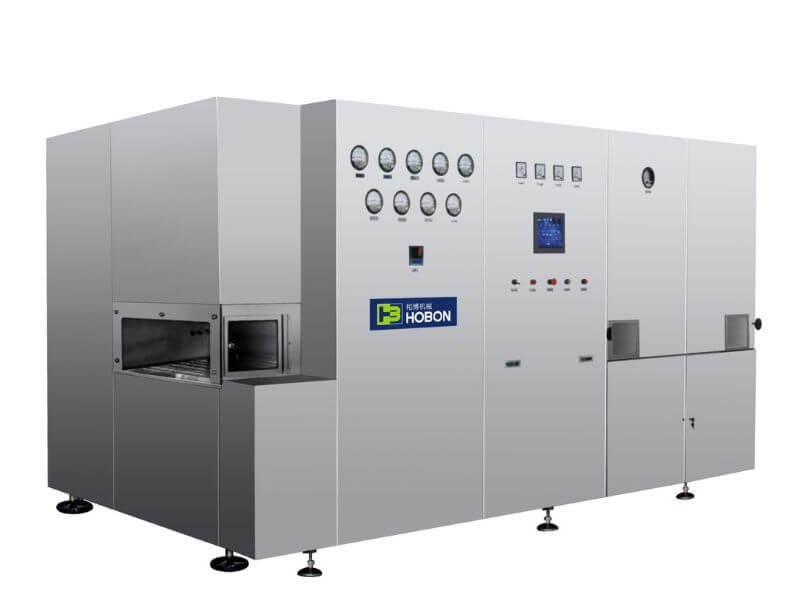
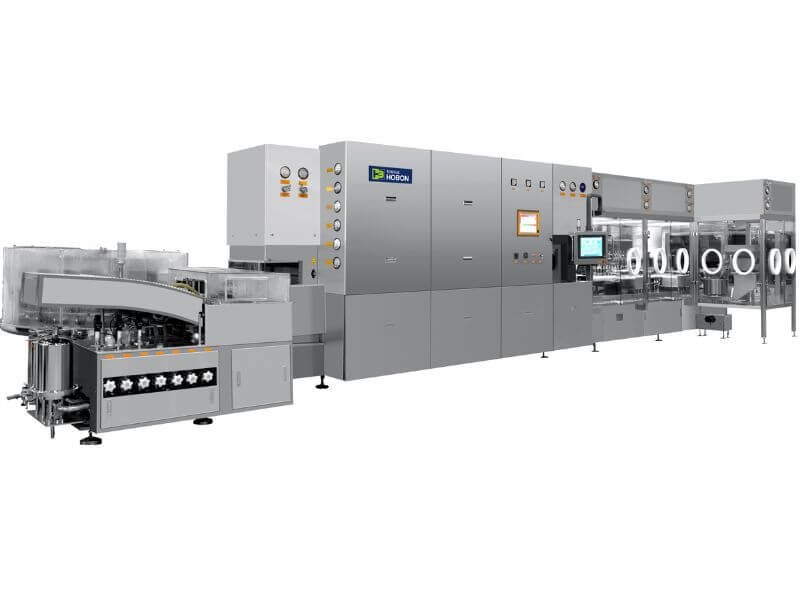
Tunnel Sterilizer Oven
Oven sterilization tunnel uses electricity as the heat energy, generated by the electric heating elements, and it uses hot air circulating fan to heat and circulate the air inside Class 100 section inside the tunnel.
Get A QuoteContact Our Now
Need a Complete Filling and Packaging Line?
We have a range of high-performance to approve different business requirements.
Feel free to contact our experts for professional advice.
Contact a Specialist NowFeel free to contact our experts for professional advice.
Product Full Detail
Oven sterilization tunnel uses electricity as the heat energy, generated by the electric heating elements, and it uses hot air circulating fan to heat and circulate the air inside Class 100 section inside the tunnel.
- sterilization tunnel uses electricity as the heat energy, generated by the electric heating elements, and it uses hot air circulating fan to heat and circulate the air inside Class 100 section inside the tunnel. By continuously transferring heat to the vials, supplying fresh air, exhausting the moisture or saturated hot air from the tunnel, it can sterilize and dry the vials at the same time.
- The vials after washing enters the tunnel by stainless steel belt conveyor. During this transferring process, vials is heated by circulating class 100 air inside the tunnel to be sterilized. The whole process is consisted of pre-heating area, hot temperature sterilization, temperature keeping and cooling. The air of hot temperature sterilization is generated form hot air fan and filtered by HEPA and circulates inside the tunnel to make the vials sterilized and dried under class 100 circulating air. This design also prevents outside air to enter and also exhaust the hot wet air. There are temperature inspection points inside the tunnel to make the temperature able to be set separately and automatically balanced.
Video
APPLICATION
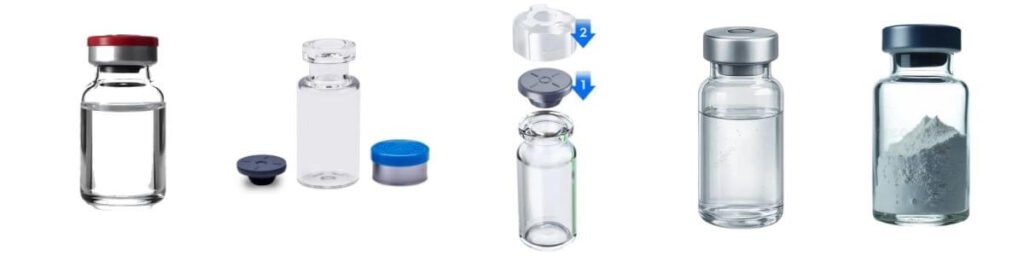
Pharmaceutical & Medical: Sterilizing and depyrogenating glass penicillin bottles, infusion vials, and eye-drop containers prior to aseptic filling.
Working Principle
- Continuous Transport: A stainless steel mesh or chain conveyor belt moves items automatically through distinct internal zones.
- Zoned Processing: The tunnel is typically divided into an inlet/pre-heating section, a high-temperature sterilization/heating section, and a cooling section.
- Sterilization Methods:
- Hot Air Circulation / Depyrogenation: High-temperature filtered air (often 280°C to 350°C+) circulates in laminar flow to kill microorganisms and destroy pyrogens (endotoxins) on glass surfaces.
- Hot Air Circulation / Depyrogenation: High-temperature filtered air (often 280°C to 350°C+) circulates in laminar flow to kill microorganisms and destroy pyrogens (endotoxins) on glass surfaces.
- Contamination Control: High-efficiency particulate air (HEPA) filters maintain a clean, pressurized environment (such as Class 100 / ISO 5 protection) around the product path to prevent re-contamination before output.
TECHNICAL SPECIFICATION
| Model | HBTO-500 |
|---|---|
| Production Capacity | 7,200-21,600 bottles/hour (120-360 bottles/min) |
| Mesh Belt Width | 500-800 mm |
| Heating Method | Far-infrared quartz tube radiation |
| Cooling Method | Class 100 laminar flow cooling |
| Temperature Range | 50-350°C |
| Exhaust Quantity | 9,000-13,000 m³/h |
| Power Supply | 380V, 50 Hz, 3-phase |
| Power | 20-65 kW |
| Machine Size | According to custom output |
WHY CHOOSE US
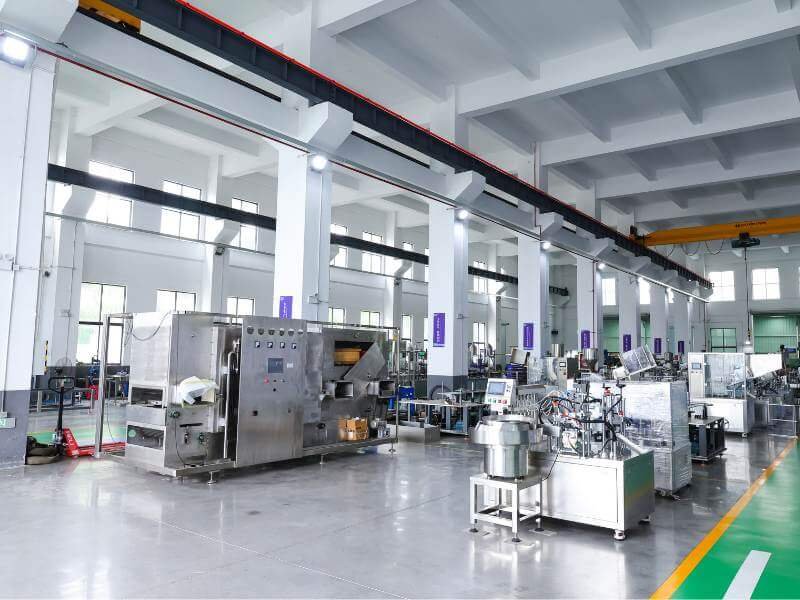
 End-to-End Machinery Solutions
From concept to commissioning, We handle everything Whether you need injectable filling lines, solid dosage packaging, or topical product systems, we deliver complete turnkey solutions tailored to your production requirements.
✓ Injectable filling systems (vials, syringes)
✓ Filling products material (liquid, powder, creams, ointments, gels)
✓ Custom integration with existing lines
✓ Injectable filling systems (vials, syringes)
✓ Filling products material (liquid, powder, creams, ointments, gels)
✓ Custom integration with existing lines
📋 Comprehensive Compliance Support
We don't just deliver machines—we ensure they meet global regulatory standards. Our team handles all documentation, testing, and validation to get you production-ready faster.
✓ Full validation packages (IQ/OQ/PQ)
✓ Factory Acceptance Testing (FAT) & Site Acceptance Testing (SAT)
✓ Operator training & SOP development
✓ Regulatory file support (GMP, cGMP)
✓ Full validation packages (IQ/OQ/PQ)
✓ Factory Acceptance Testing (FAT) & Site Acceptance Testing (SAT)
✓ Operator training & SOP development
✓ Regulatory file support (GMP, cGMP)
🔧Lifetime After-Sales Support
Your success is our long-term commitment Our relationship doesn't end at installation. We provide ongoing maintenance, upgrades, and spare parts management to maximize your equipment uptime and ROI.
✓ 24/7 technical support hotline
✓ Preventive maintenance programs
✓ Equipment upgrade consultancy
✓ Genuine spare parts with fast delivery
✓ 24/7 technical support hotline
✓ Preventive maintenance programs
✓ Equipment upgrade consultancy
✓ Genuine spare parts with fast delivery
Your Journey to the Perfect Filling Solution
Why Choose Us
🎯 Complete Turnkey Solutions
From design to installation, we handle every step of your production line setup
🏭 ISO-Certified Factory
Own manufacturing facility with strict quality control and proven production capacity
🎨 Flexible Customization
Tailor-made solutions that integrate seamlessly with your existing production lines
📋 Full Compliance Support
Complete validation packages (IQ/OQ/PQ), FAT/SAT, and regulatory documentation
🌍 Global Project Experience
500+ installations across 40+ countries with multilingual technical support
🔧 24/7 After-Sales Service
Preventive maintenance, spare parts management, and upgrade consultancy
From design to installation, we handle every step of your production line setup
🏭 ISO-Certified Factory
Own manufacturing facility with strict quality control and proven production capacity
🎨 Flexible Customization
Tailor-made solutions that integrate seamlessly with your existing production lines
📋 Full Compliance Support
Complete validation packages (IQ/OQ/PQ), FAT/SAT, and regulatory documentation
🌍 Global Project Experience
500+ installations across 40+ countries with multilingual technical support
🔧 24/7 After-Sales Service
Preventive maintenance, spare parts management, and upgrade consultancy
Common Questions about Tunnel Sterilizer Oven
What is a tunnel sterilization oven used for?
A tunnel sterilization oven is used for drying, sterilizing, and depyrogenating washed glass vials, ampoules, and other containers before filling. It sits in the middle of the pharmaceutical filling line: washed bottles enter from the bottle washing machine, pass through the tunnel, and leave sterile, dry, and ready for filling, forming a continuous washing-sterilizing-filling process.
How does the tunnel sterilization oven work?
The tunnel is divided into three sections: preheating, high-temperature sterilization, and cooling. Bottles travel through the tunnel on a mesh belt while hot air circulates through HEPA filtration, and quartz infrared heaters raise the temperature to the sterilizing range. Purified air curtains at both ends of the tunnel prevent outside air from entering, and the sterilized bottles are conveyed directly to the filling station.
What temperature range does the tunnel reach?
The tunnel temperature is adjustable from 50°C up to 350°C, covering the full dry heat sterilization and depyrogenation range. Temperature is controlled by a PLC system with multi-point monitoring, and heating is provided by far-infrared quartz tube radiation for even heat distribution across the mesh belt.
What depyrogenation effect can the tunnel achieve?
The tunnel supports dry heat depyrogenation of glass containers with a reduction of up to 4 log or higher, which is the standard requirement for pharmaceutical vial processing. Validation documentation to support your IQ, OQ, and PQ process, including temperature mapping and online recording, is available so the depyrogenation result can be verified under your quality system.
How are bottles conveyed through the tunnel?
Bottles travel on a stainless steel mesh belt, 500 to 800 mm wide, with adjustable conveying speed. Depending on bottle size, the tunnel reaches an output of 7,200 to 21,600 bottles per hour (120-360 bottles per minute), and the belt speed is matched to your line speed during commissioning.
How are bottles cooled after sterilization?
The cooling section uses Class 100 laminar flow cooling, so bottles leave the tunnel clean, dry, and at a safe handling temperature, ready to transfer directly into the aseptic filling area without additional cooling time. Dedicated exhaust keeps hot air from flowing back toward the filling zone.
What monitoring and control features does the tunnel have?
The tunnel is controlled by a PLC system with a digital temperature controller and multi-position temperature monitoring, including temperature alerts and online data recording. DOP ports are provided for HEPA filter integrity testing. A night mode function maintains the clean environment inside the tunnel even when the production line is idle, so the filling area stays protected around the clock.
How is the tunnel installed and integrated into the filling line?
The tunnel is designed to be installed through the wall between the washing area and the aseptic filling area: washed bottles enter from the non-aseptic side and leave from the aseptic side, so sterilized bottles never cross a contaminated zone. It connects directly with the bottle washing machine upstream and the filling machine downstream, and the layout is engineered to match your workshop and cleanroom zoning.
Related Products
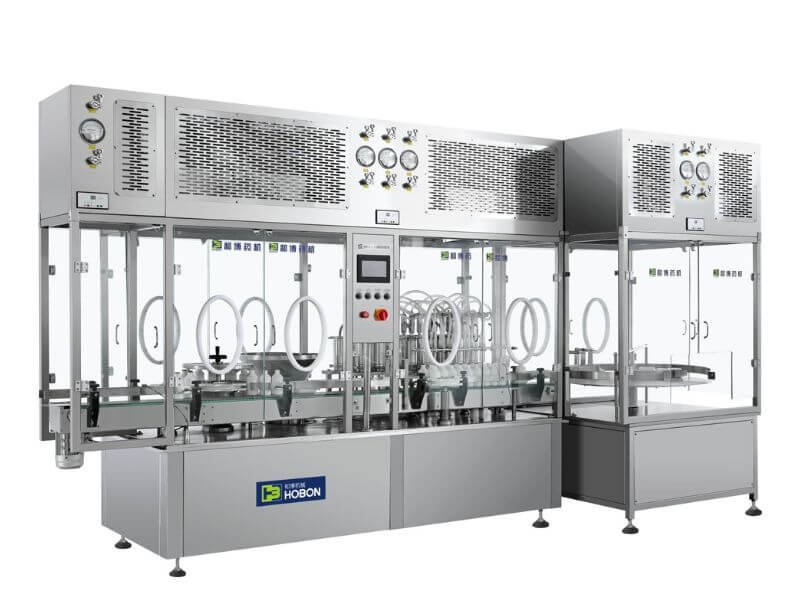
Liquid Filling Machine
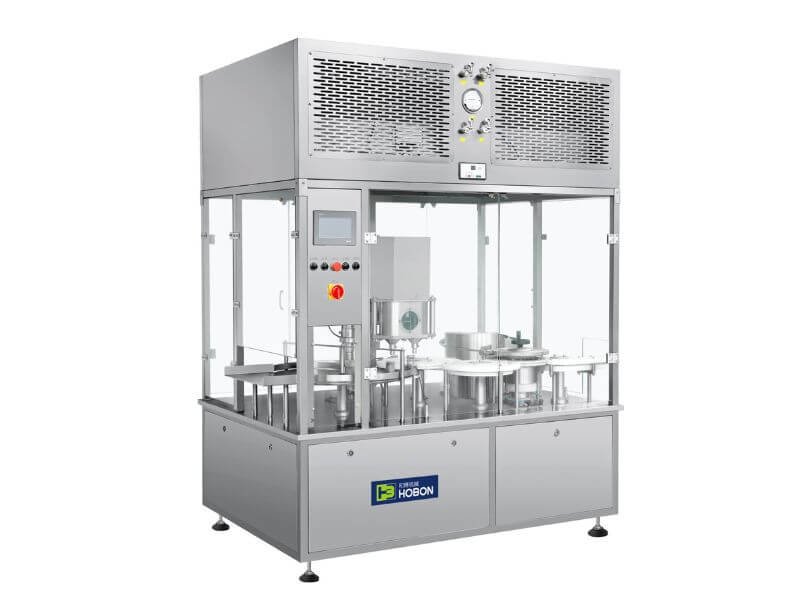
Powder Filling Machine
Vial Filling Line(Wash, Oven, Fill, Cap, Label)