TEL: +86 18015338619chinahebo1@gmail.com
Get Instant Quote

Tunnel Sterilizer Oven
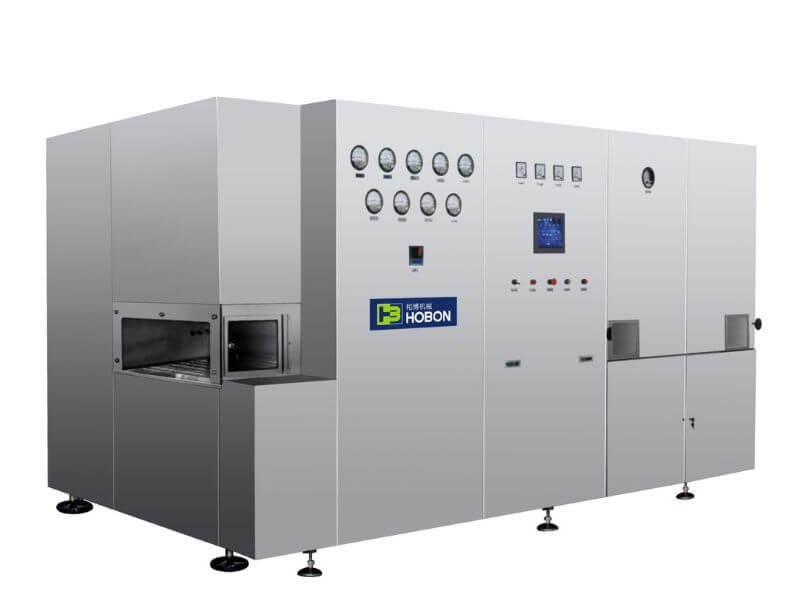
Tunnel sterilizer ovens are pharmaceutical machines that sterilize and depyrogenate containers such as vials, ampoules, and bottles through controlled high-temperature exposure within a sterilizing tunnel. Positioned between washing and filling in sterile processing lines, they prepare containers for downstream aseptic filling. For pharmaceutical manufacturers and contract manufacturers, stable tunnel performance, uniform heating, and reliable cooling help containers enter the filling area clean, dry, and pyrogen-free for safe and repeatable production.
Get A Quote Now

Tunnel Sterilizer Oven Series

Contact Our Team of
Need a Complete Filling and Packaging Line?
Not sure which filling machine is right for you?
We have a range of high-performance Tunnel Sterilizer Oven to approve different business requirements.
Feel free to contact our experts for professional advice.
Don’t know how to choose the right filling machine? Contact our specialists for custom solutions for your factory.
Contact a Specialist Now

APPLICATION

Applications

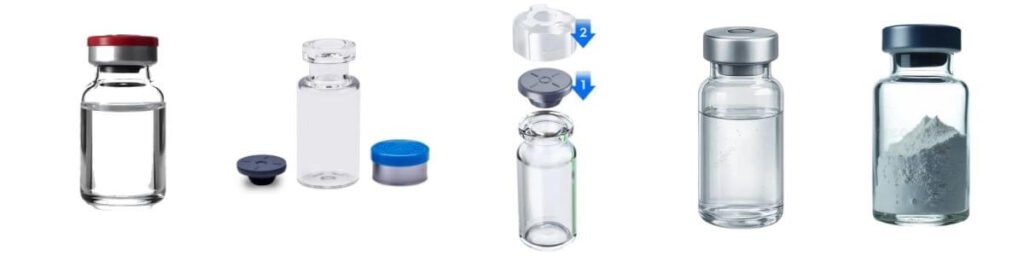
Tunnel sterilizer ovens can be configured for pharmaceutical containers including vials, ampoules, oral liquid bottles, and infusion bottles, subject to container and process review. They may handle different container sizes and formats when suitable conveyor belts and change parts are selected for each format. Depending on the project, the machine can connect with bottle washing machines upstream and vial or liquid filling machines downstream to form a complete sterile filling line. Final applications depend on container format, required throughput, sterilization temperature profile, cooling method, cleanroom layout, and the customer’s validated sterilization, depyrogenation, and production process and site conditions.

Product Introduction

A tunnel sterilizer oven performs the sterilization and depyrogenation stage between washing and filling in a pharmaceutical line. Containers travel through the tunnel on a conveyor belt through preheating, high-temperature sterilization, and cooling zones, where filtered hot air maintains the required temperature profile before containers enter the filling area. Machine selection should consider container types and sizes, required throughput, sterilization and depyrogenation requirements, cooling method, cleanroom layout, and integration with washing and filling equipment. Air filtration, temperature uniformity, and belt speed control are central to tunnel performance and should be reviewed together with the overall contamination-control strategy; applicable regulatory requirements must be confirmed during engineering and validation planning. For pharmaceutical projects, the tunnel may be evaluated together with washing and filling equipment so the complete line runs at a balanced output. A manufacturer can also develop customized belt arrangements, temperature zone designs, control interfaces, and line connections for OEM or project-based requirements. Before quotation, buyers should provide container samples, throughput targets, sterilization requirements, and layout expectations so the proposed configuration can be technically reviewed and validated for its intended use.

TECHNICAL PARAMETERS

WHY CHOOSE HEBO
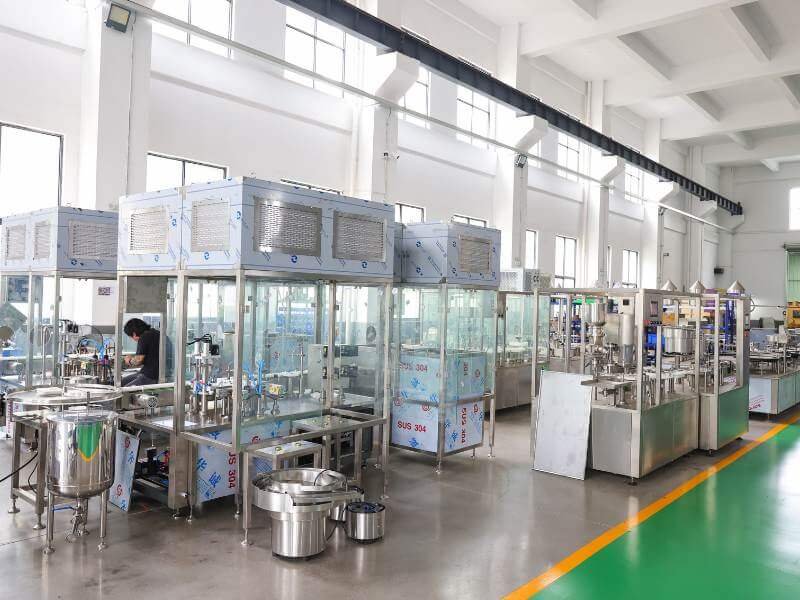
🎯 End-to-End Machinery Solutions 

From concept to commissioning, We handle everything Whether you need injectable filling lines, solid dosage packaging, or topical product systems, we deliver complete turnkey solutions tailored to your production requirements.
✓ Injectable filling systems (vials, syringes)
✓ Filling products material (liquid, powder, creams, ointments, gels)
✓ Custom integration with existing lines
📋 Comprehensive Compliance Support

We don't just deliver machines—we ensure they meet global regulatory standards. Our team handles all documentation, testing, and validation to get you production-ready faster.
✓ Full validation packages (IQ/OQ/PQ)
✓ Factory Acceptance Testing (FAT) & Site Acceptance Testing (SAT)
✓ Operator training & SOP development
✓ Regulatory file support (GMP, cGMP)
🔧Lifetime After-Sales Support

Your success is our long-term commitment Our relationship doesn't end at installation. We provide ongoing maintenance, upgrades, and spare parts management to maximize your equipment uptime and ROI.
✓ 24/7 technical support hotline
✓ Preventive maintenance programs
✓ Equipment upgrade consultancy
✓ Genuine spare parts with fast delivery
Your Journey to the Perfect Filling Solution

Why Choose Us

🎯 Complete Turnkey Solutions
From design to installation, we handle every step of your production line setup

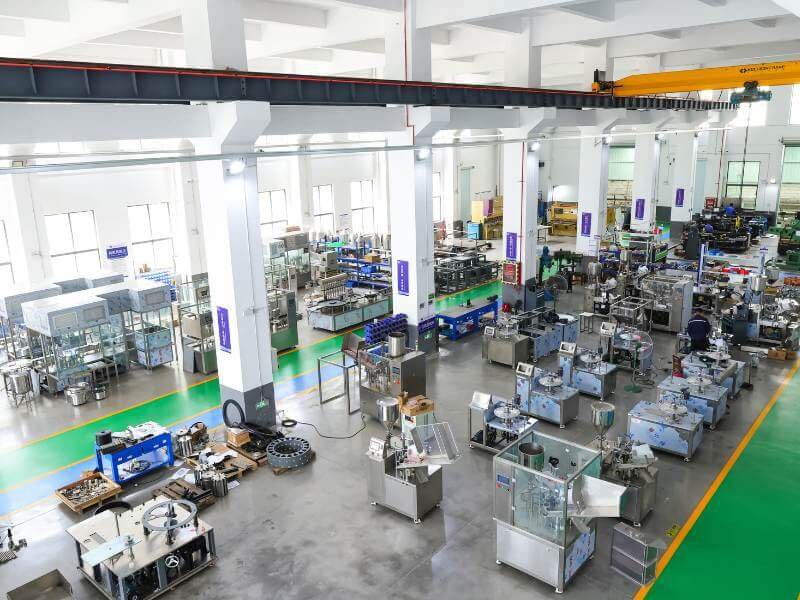
🏭 ISO-Certified Factory
Own manufacturing facility with strict quality control and proven production capacity

🎨 Flexible Customization
Tailor-made solutions that integrate seamlessly with your existing production lines

📋 Full Compliance Support
Complete validation packages (IQ/OQ/PQ), FAT/SAT, and regulatory documentation

🌍 Global Project Experience
500+ installations across 40+ countries with multilingual technical support

🔧 24/7 After-Sales Service
Preventive maintenance, spare parts management, and upgrade consultancy

Common Questions about Tunnel Sterilizer Oven

What is a tunnel sterilizer oven?
It is pharmaceutical equipment that sterilizes and depyrogenates containers such as vials and bottles through controlled high-temperature exposure as they travel through a sterilizing tunnel.
Where does it fit in a filling line?
It is positioned between the bottle washing machine and the filling machine, preparing washed containers for filling in a complete sterile processing line.
Which containers can it handle?
It may handle vials, ampoules, oral liquid bottles, and infusion bottles, subject to container dimensions and conveyor belt selection.
What is the difference between sterilization and depyrogenation?
Sterilization reduces viable microorganisms, while depyrogenation reduces bacterial pyrogens; dry heat tunnels are designed to address both, and the required process depends on the product and application.
How is the temperature profile controlled?
Containers pass through preheating, high-temperature, and cooling zones, with filtered hot air and belt speed control maintaining the required temperature profile.
How is the air filtered?
Tunnel air is passed through HEPA filtration to help maintain container cleanliness during heating and cooling.
Can it connect with washing and filling machines?
It can connect with bottle washing machines upstream and filling machines downstream so the complete line runs at a balanced output.
What information is needed for a quotation?
Container samples, container sizes, throughput targets, sterilization requirements, and site layout expectations help the manufacturer propose a suitable configuration.
Can it be customized?
Customization may include belt arrangements, temperature zone designs, control interfaces, and line connections after review of the container and process requirements.
What should be confirmed before purchase?
Container compatibility, throughput, temperature profile, air filtration, cooling method, and validation requirements should be confirmed with the manufacturer before ordering.